
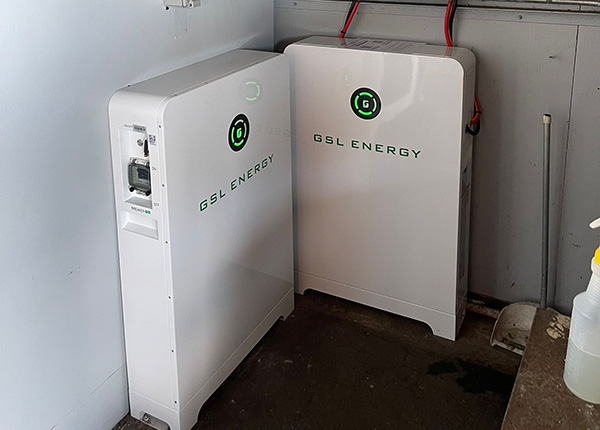
— Two 16kWh Floor-Standing Batteries in Parallel + Sol-Ark Inverter
As North America’s residential energy landscape gradually shifts from “traditional grid dependence” to “self-generation + smart storage + backup,” scalable home energy storage systems are becoming standard. This real-world case study involves the deployment of two parallel-connected 16kWh floor-standing storage batteries, totaling 32kWh, integrated with a Sol-Ark inverter to form a complete energy solution. The system has been installed, commissioned, and is now operational.
The system complies with North American certification standards, including UL9540, UL1973, UL9540A, and UN38.3, meeting the grid-connection, fire safety, and electrical codes for residential projects in multiple American states.
 Two 16kWh Floor-Standing Batteries in Parallel + Sol-Ark Inverter
I. Installation Context & Energy Challenges
Located in a typical American residential community with high TOU rates and frequent grid fluctuations, the homeowner faced several issues:
Peak electricity rates were 2-3 times higher than off-peak rates.
Experienced multiple power outages due to storms and extreme weather.
Existing rooftop solar generated excess power during the day, which was fed back to the grid at low rates, while the home still relied on the grid at night.
Goals: Achieve energy independence, prevent outage disruptions, and increase solar self-consumption.
II. System Architecture & Configuration
Item Configuration Description
Storage Battery:2×16kWh Floor-Standing LiFePO4 Batteries (Total 32kWh)
Cycle Life :≥ 6,500 cycles @ 80% DoD
Inverter System: Sol-Ark Multi-Mode Hybrid Inverter
Protection Rating: Designed for indoor installation; Fire/Protection ratings meet UL standards
Management System: Smart BMS + APP for remote energy management
Scalability: Capacity can be expanded in the future
III. Operational Modes & Performance Results
Post-deployment, the system operates stably and has delivered key outcomes:
Achieved Whole-House Backup Capability
During a local 3-hour power outage, the system seamlessly maintained power for refrigerators, air conditioning, lighting, and water heaters without performance degradation, upgrading the home from partial backup to true Whole-House Backup.
Significant Reduction in Electricity Bills
Through TOU arbitrage and maximizing solar self-consumption:
Store energy during low-cost periods.
Discharge during high-cost periods.
Prioritize local storage and use of solar energy.
Projected annual electricity savings of 38%–55%+ based on local rates.
Solar Utilization Increased from 40% to over 92%
Previously, excess solar generation was exported to the grid. Now, the battery intelligently stores this surplus green energy, achieving a maximum Self-Consumption Rate.
Enhanced Energy Independence Level
The system intelligently switches between operating modes:
Grid-Tie
Hybrid Mode (Solar + Battery + Grid)
Off-Grid Island Mode
User’s energy independence level increased to approximately 67%–85% (varies seasonally).
IV. Industry Value & Reference Significance
This case is emblematic of the American residential storage market:
Complies with UL certifications, allowing for scalable replication.
Compatible with mainstream North American inverters like Sol-Ark.
Scalable architecture accommodates future needs like EV charging, heat pumps, and grid services.
Aligns with trends driven by the IRA policy, distributed energy, and microgrids.
With ongoing energy policy incentives (e.g., 30% tax credit) and persistent outage risks, scalable residential storage solutions like this 32kWh system are poised to become a standard home energy configuration in the U.S.


